• Home
  • Permaculture Design Course
  • BLOG
  • PDC Spring Blog
  • PDC Student's Site Designs
  • Rosemary Logan, PhD
  • Colton Community Garden
  • Blog
  • Blog
  • Residential Garden Visit - Rosemary Logan's Home
  • McAllister Ranch: The First Walk Through
  • Blog
  • Soils Extravaganza Spring 2024
  • Home
  • Permaculture Design Course
  • BLOG
  • PDC Spring Blog
  • PDC Student's Site Designs
  • Rosemary Logan, PhD
  • Colton Community Garden
  • Blog
  • Blog
  • Residential Garden Visit - Rosemary Logan's Home
  • McAllister Ranch: The First Walk Through
  • Blog
  • Soils Extravaganza Spring 2024
MY SITE
  • Home
  • Permaculture Design Course
  • BLOG
  • PDC Spring Blog
  • PDC Student's Site Designs
  • Rosemary Logan, PhD
  • Colton Community Garden
  • Blog
  • Blog
  • Residential Garden Visit - Rosemary Logan's Home
  • McAllister Ranch: The First Walk Through
  • Blog
  • Soils Extravaganza Spring 2024

Permaculture Design Course 
​Spring 2020 Blog


    Rosemary Logan

    Checkout the Spring 2020 section of NAU's two-semester Permaculture Design Course Blog!

    Archives

    December 2023
    November 2023
    September 2023
    May 2020
    March 2020

    Categories

    All

    RSS Feed

Back to Blog

Worm Farm & Soil Workshop @ Colton

11/15/2023

 
Griffin Franklin
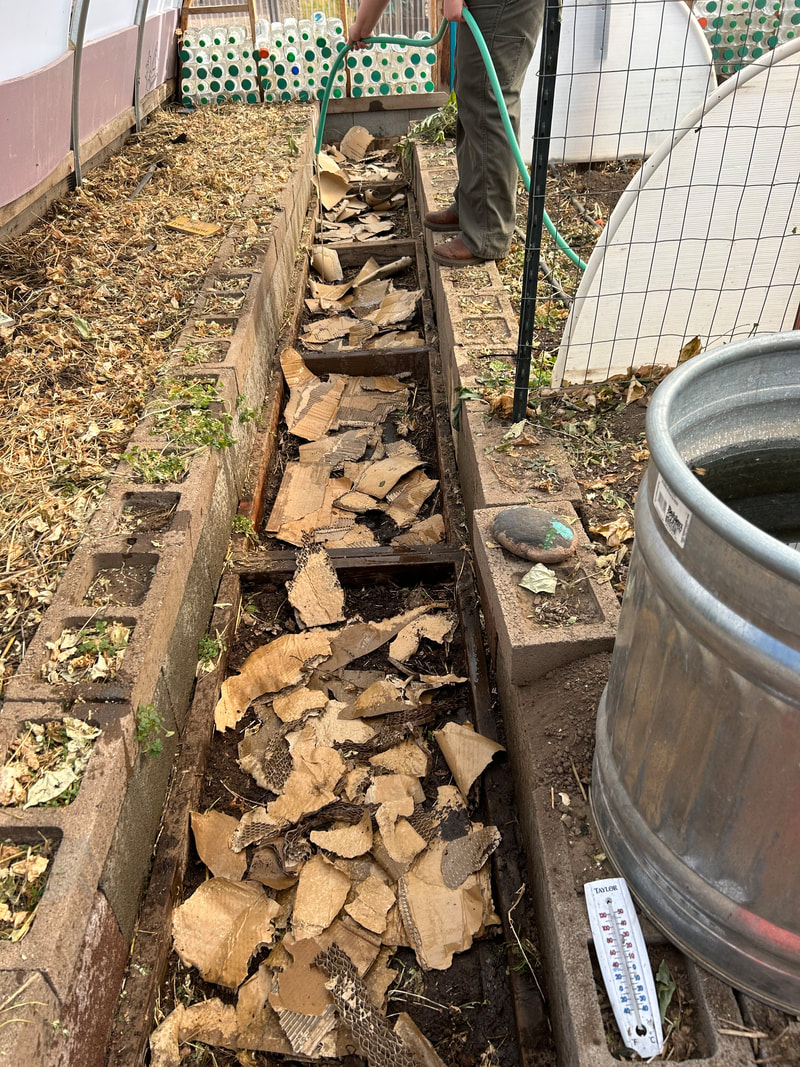
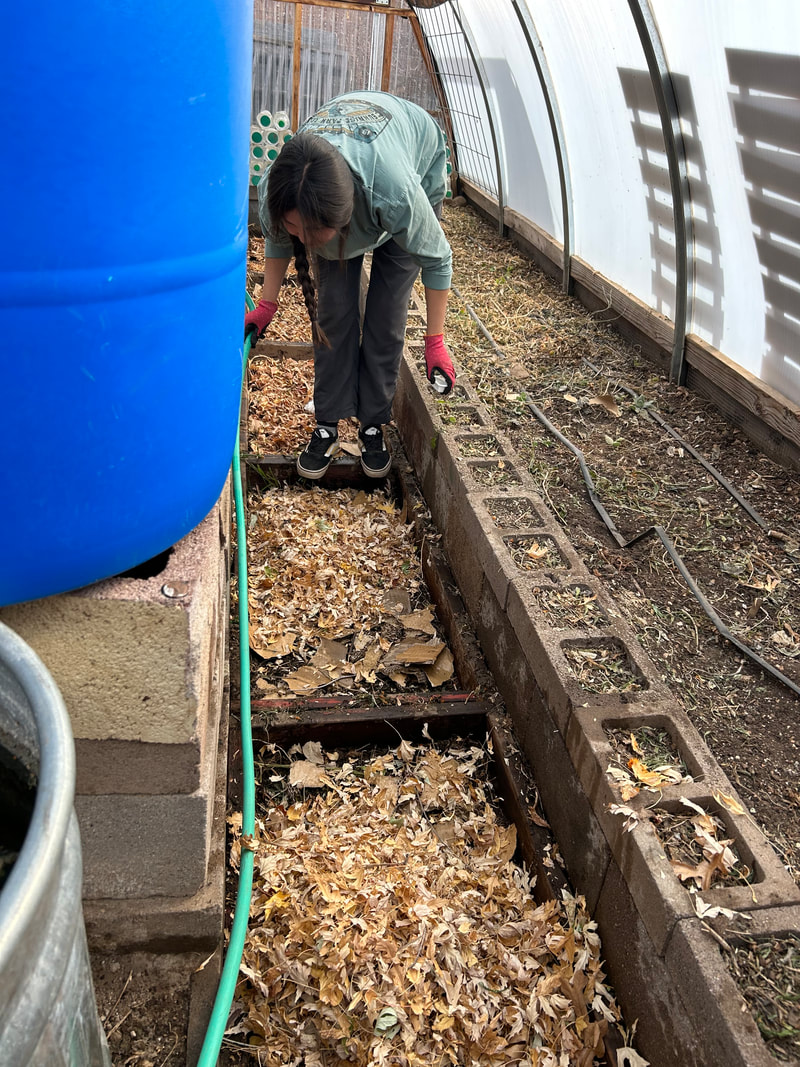
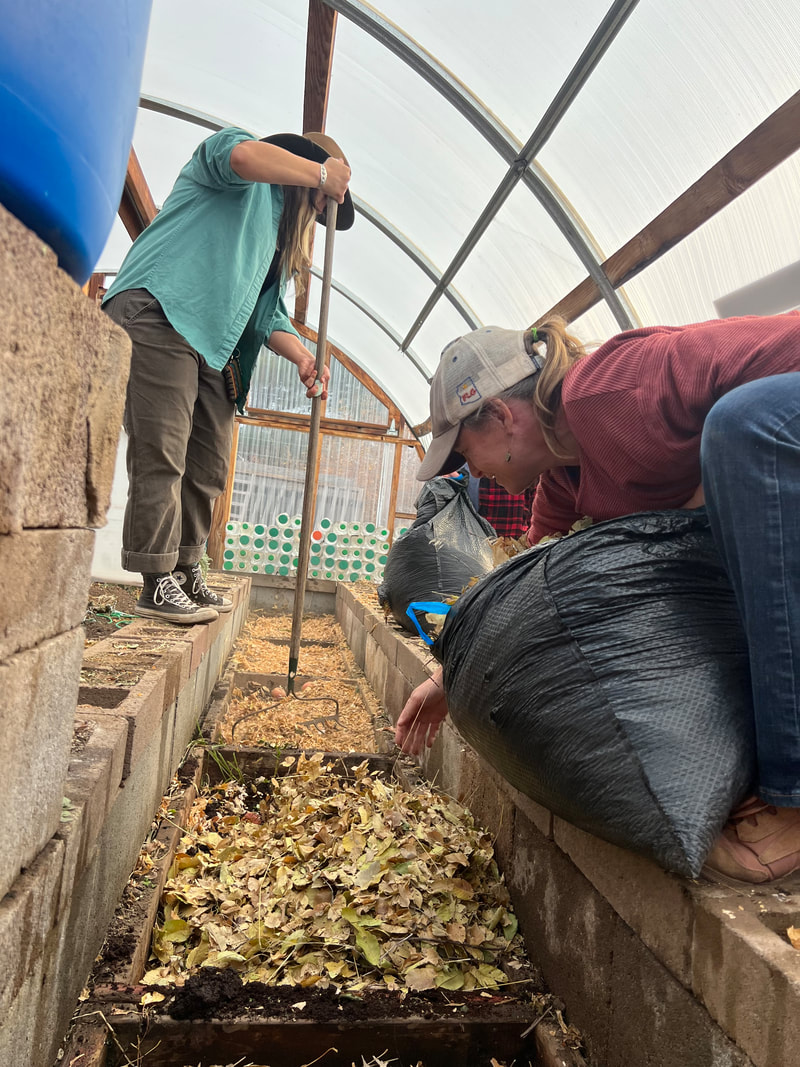
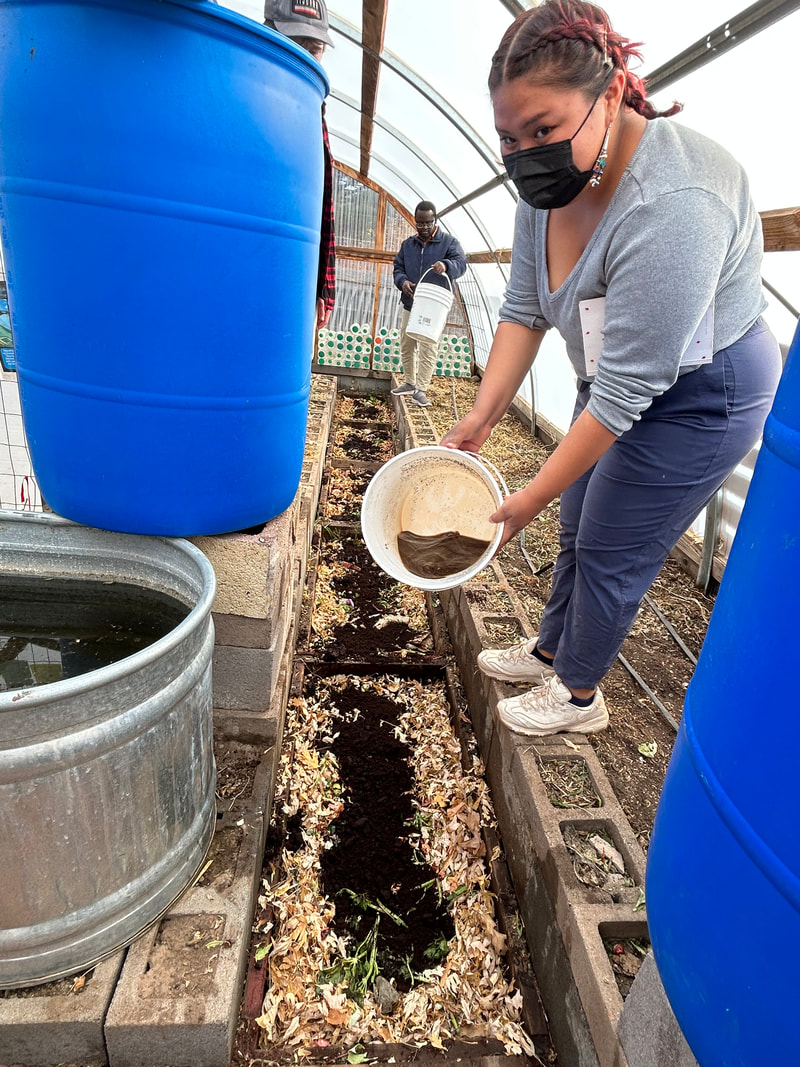
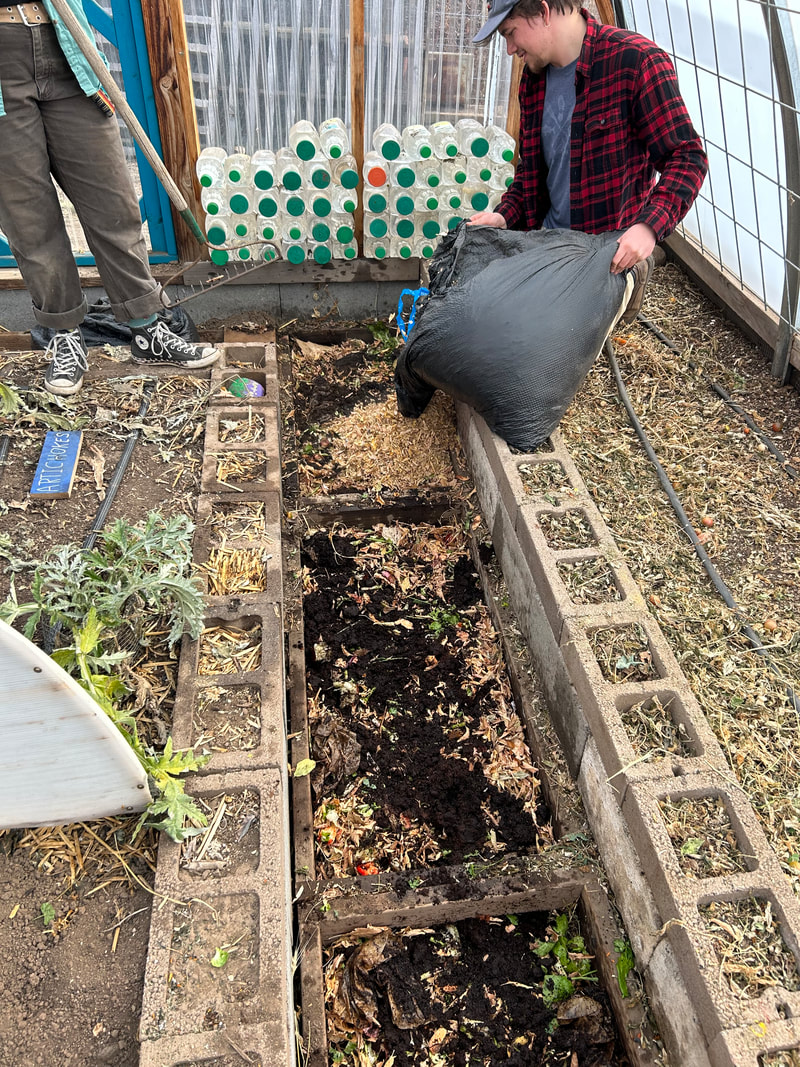
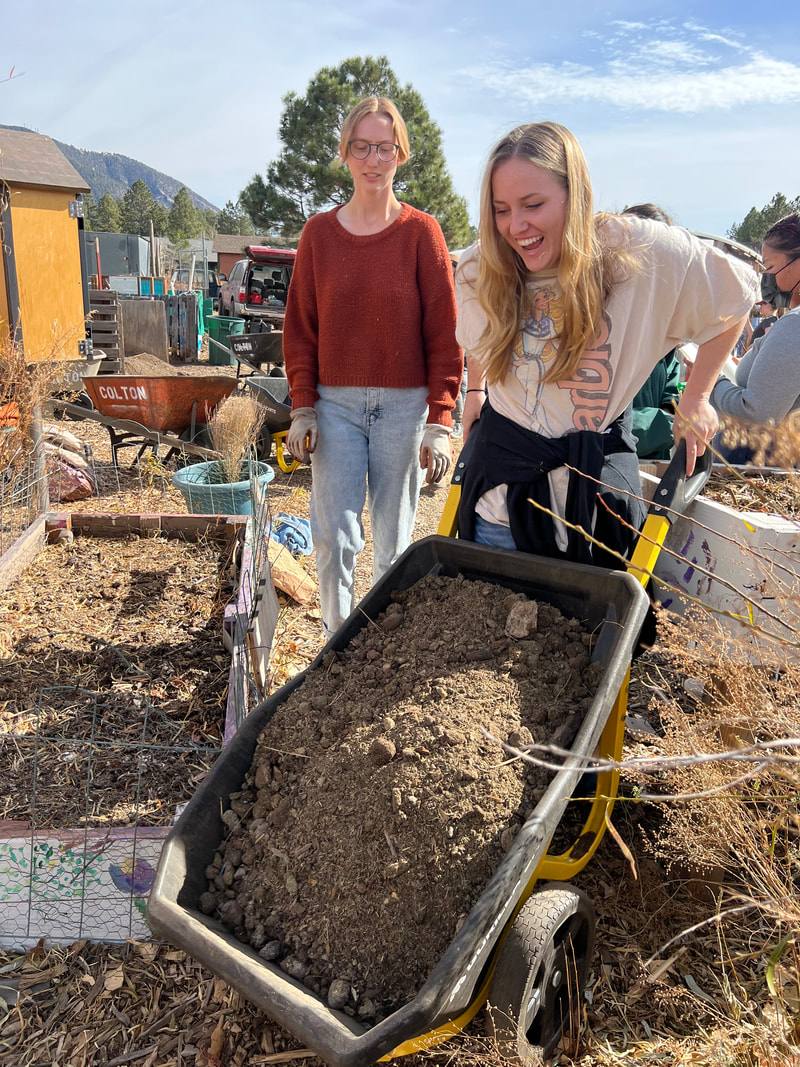
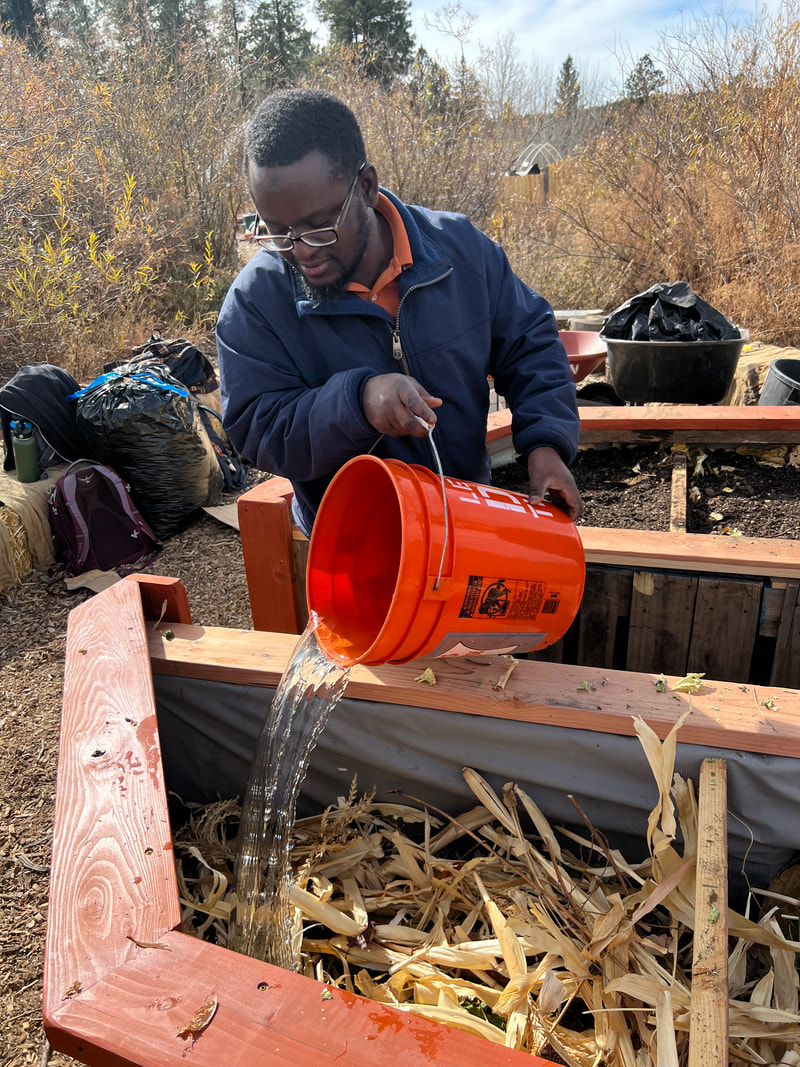
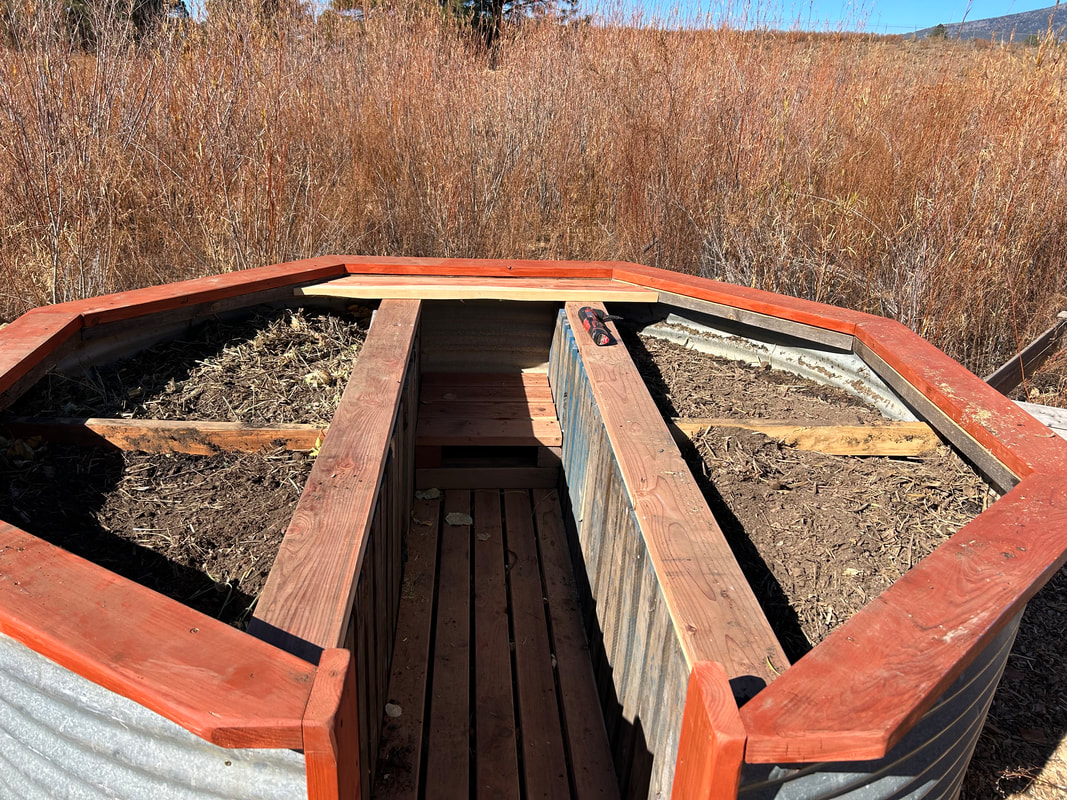
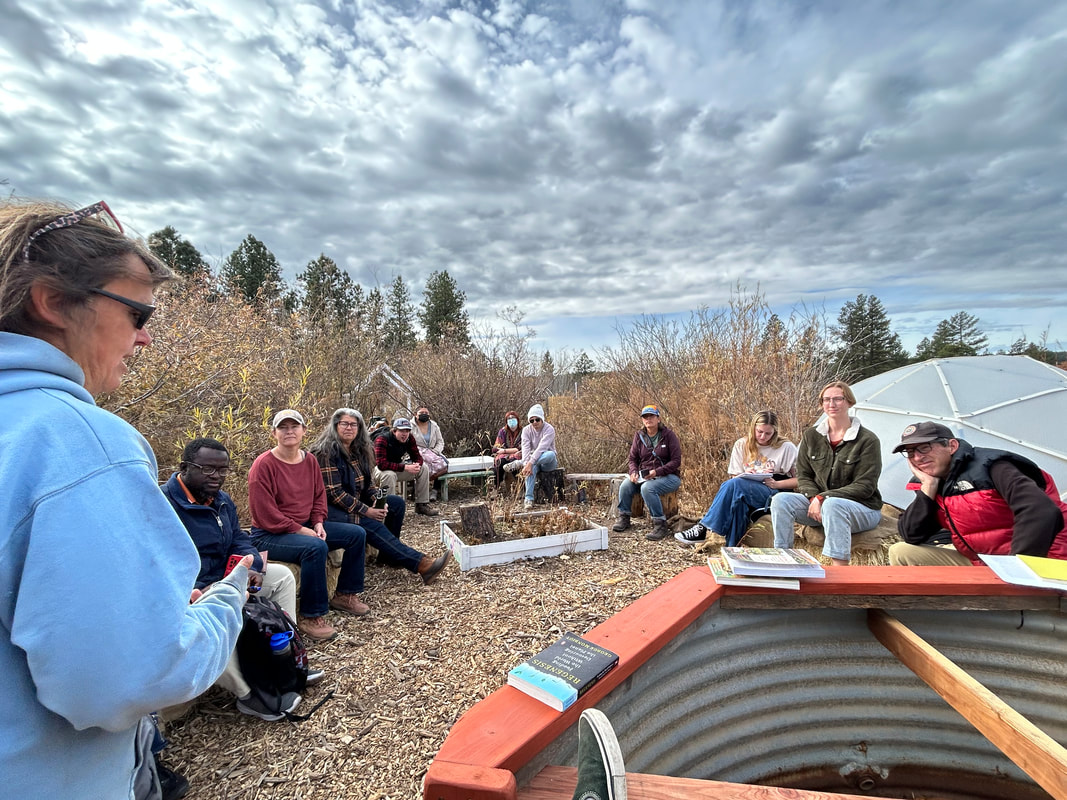
Fritz started off the workshop by telling us about soil and worm farming and giving us a few recommendations for reading materials about soil including The One Straw Revolution: An Introduction to Natural Farming by Masanobu Fukuoka. We jumped into the action pretty quick splitting into teams to gather materials for sheet-mulching in the new kid's greenhouse (The Bucky Dome" and worm farm building in the hoop house underneath the walkways.
Picture
Below is the process we followed for building soil for the worm farms. 
  1. We ripped up cardboard and scattered it in each cell above the already existing soil and the chicken wire in place for pest control.
  2. We put in a layer of fry leaved and then wetted it down with water.
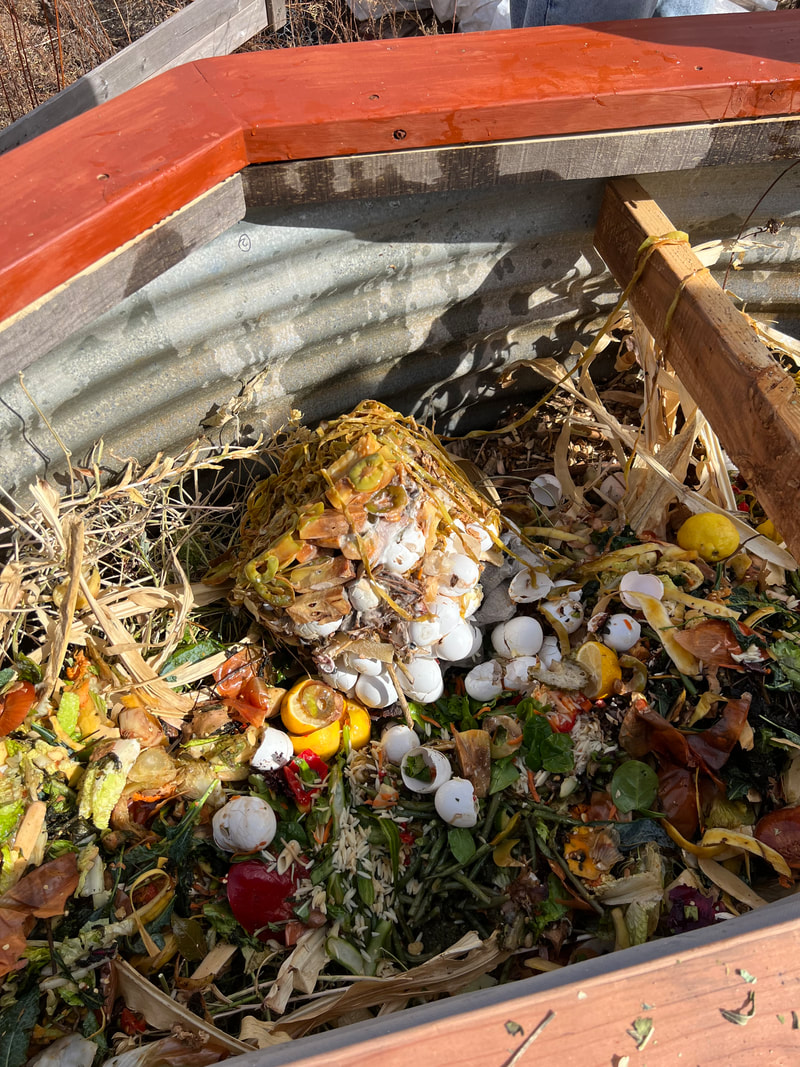
  3. We used about a 5 gallon bucket of compost to spread evenly between the cells. We did not use  more than this of kitchen-scrap type compose because we do not want the worms to cook during the decomposition process. We raked it to an even level.
  4. We used two 5 gallon buckets of coffee grounds from a local coffee shop because it does not heat up as much when it breaks down and the worms do a phenomenal job breaking it down. We raked it to an even level.
  5. A second layer of leaves and water.
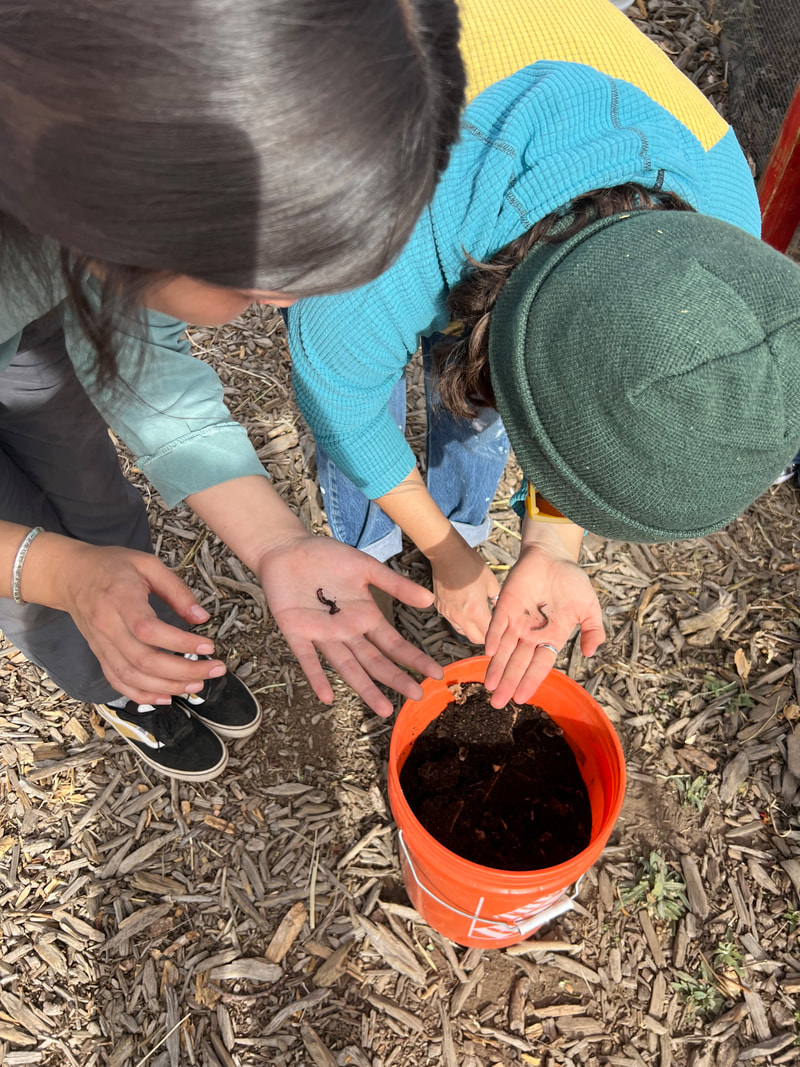
  6. Lastly the worms! We added a few handfuls of red wigglers in their original soil from, George's house to each cell and then we put the walk ways back over them and allowed the worms to make their way down into their new environment.
Below is the process we used for sheet-mulching or making "lasagna beds," as Fritz likes to call them, in the kids' greenhouse.
  1. ​Sifted soil
  2. Leaves & Manure (water w/each layer hereon, even out w rake for each layer)
  3. Straw & Raw Compost (Water)
  4. Corn husks (water)
  5. Sifted Compost 
  6. Worms
0 Comments
Read More


Leave a Reply.

Powered by Create your own unique website with customizable templates.